
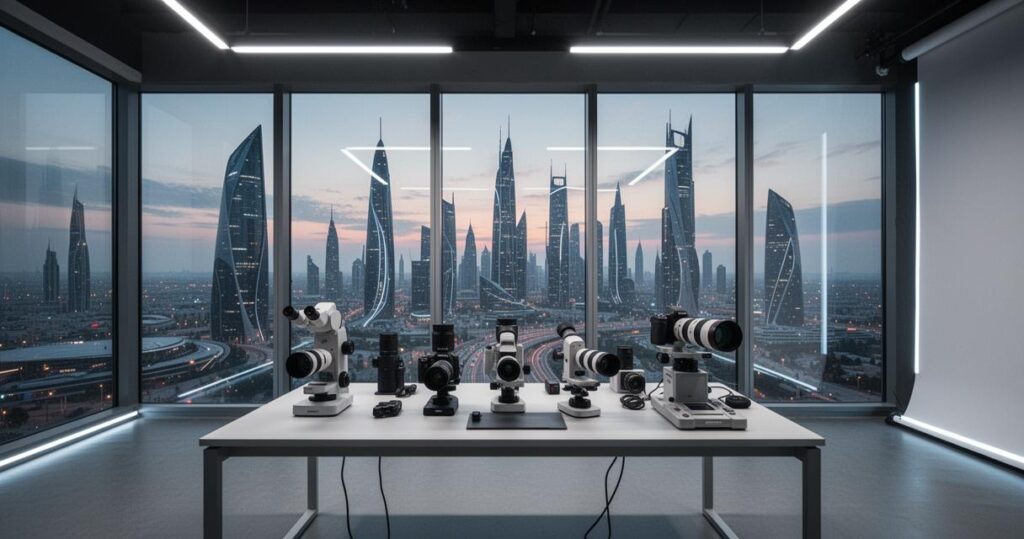
The world of high-end photography is evolving at a remarkable pace. From the sensor that captures light to the glass that bends it, every component of modern camera gear has become a subject of deep engineering ambition. Whether you are a seasoned professional or an enthusiastic hobbyist, understanding what drives image quality today opens up a richer appreciation of the craft.
In short
- Sensor technology sits at the heart of high-end camera development, and full-frame and medium-format systems remain reference points for light capture and dynamic range.
- Improvements in low-light performance allow for high-quality imagery in challenging environments by reducing sensor noise through more efficient processing.
- Artificial intelligence and computational photography have revolutionized professional workflows, particularly through precise autofocus and predictive subject tracking features.
- Mirrorless camera systems are increasingly replacing traditional DSLRs due to their compact size, enhanced battery life, and integration of advanced image stabilization.
- The choice between prime and zoom lenses remains central to professional photography, with primes favoring optical sharpness and zooms offering essential versatility.
- Optical engineering innovations, such as sophisticated lens coatings, have significantly reduced distortions, flare, and reflections to improve overall image fidelity.
- Future developments in smart lens technology aim to integrate intelligent software that can automatically adjust settings based on real-time shooting conditions.
What sets modern high-end camera technology apart
For anyone keen to explore the cutting edge of digital camera advancements, resources like cyberwirehq offer thoughtful discussions on what makes high-end cameras and lenses the best choice for full frame photography and medium format cameras. The gap between consumer-grade and professional photography equipment has never been more technically significant, driven by decades of refinement in both hardware and software.
Sensor Innovation and Image Quality at the Cutting Edge
At the heart of any professional camera lies its sensor, and the strides made in recent years have been extraordinary. Full frame photography remains a benchmark for serious shooters, offering a larger surface area that captures more light and delivers richer tonal gradations. Medium format cameras, once the exclusive domain of studio professionals, are now becoming more accessible, bringing with them extraordinary detail and dynamic range that redefines what image quality can mean in practice.
The improvements in low light performance have been particularly striking. Modern sensors process information with greater efficiency, reducing noise in challenging conditions and allowing photographers to work in environments that would have been impossible to shoot in just a few years ago. This progress is closely tied to advances in camera hardware and the computational layers that sit alongside the physical sensor.
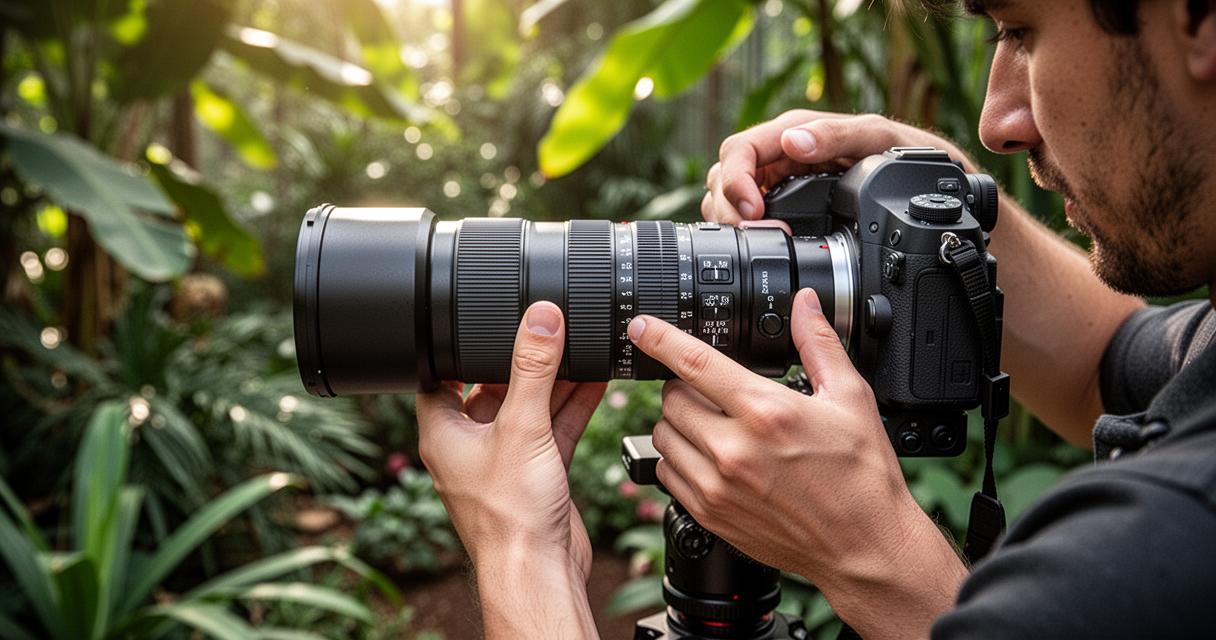
Autofocus Systems and Computational Photography in Professional Cameras
One of the most transformative areas in recent camera gear development has been autofocus systems. Advanced face and eye detection has become increasingly standard, making portrait photography more reliable and freeing photographers to concentrate on composition rather than focusing mechanics. AI integration is also reshaping how cameras interpret a scene, with smart auto-editing and predictive subject tracking becoming core features rather than novelties.
Mirrorless cameras in particular have benefited enormously from these computational advances. With improved battery life and a more compact form factor, they are steadily replacing traditional DSLR systems in professional workflows. The integration of image stabilisation at both the sensor and lens level further enhances their appeal, reducing camera shake and delivering sharper results even in dynamic shooting situations.
Choosing the Right High-End Lenses for Professional Results
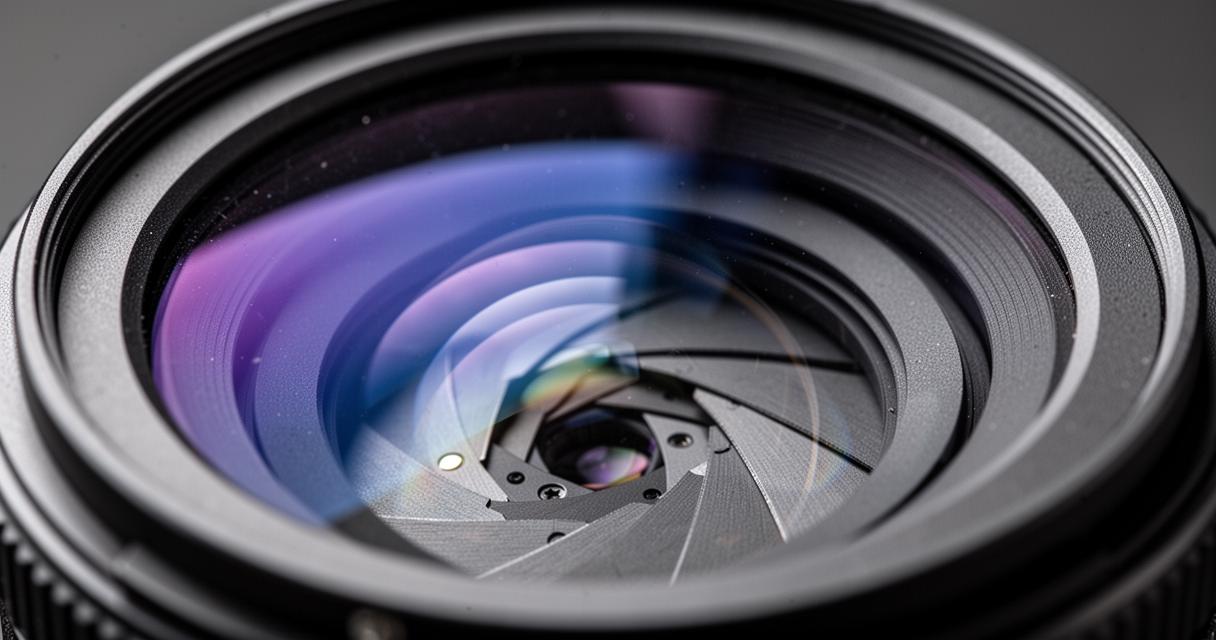
A camera body is only as capable as the glass mounted in front of it. Understanding camera lens technology and camera lens design is essential for anyone seeking to elevate their photography science.
Prime vs zoom lenses: which suits your shooting style
The debate between prime and zoom lenses is one of the most enduring in professional photography. Prime lenses, with their fixed focal lengths, typically offer superior optical sharpness and wider maximum apertures, making them a favourite for portraits and low-light work. Zoom lenses, on the other hand, provide versatility across a range of focal lengths, which is invaluable for documentary, sports, or event photographers who cannot afford to change lens elements mid-shoot.
Ultimately, the right choice depends on your shooting style, subject matter, and how much weight you are prepared to carry. Many professionals maintain a combination of both, using primes for controlled environments and zooms for unpredictable scenarios.

Optical engineering advances that are reshaping lens performance
The science behind modern lenses is deeply fascinating. Optical engineering has tackled long-standing challenges such as lens aberrations, which cause distortions in colour and sharpness. Sophisticated lens coatings now minimise unwanted reflections and flare, preserving contrast and colour fidelity even when shooting into bright light. The study of optical principles — covering everything from refraction to diffraction — underpins every design decision made by lens manufacturers.
Exploring photography science can help enthusiasts and students understand the complexity behind every piece of professional photography gear. Smart lens technology is also on the horizon, with designs that may eventually adjust settings automatically based on shooting conditions — a development that promises to further blur the line between camera lens technology and intelligent software.