
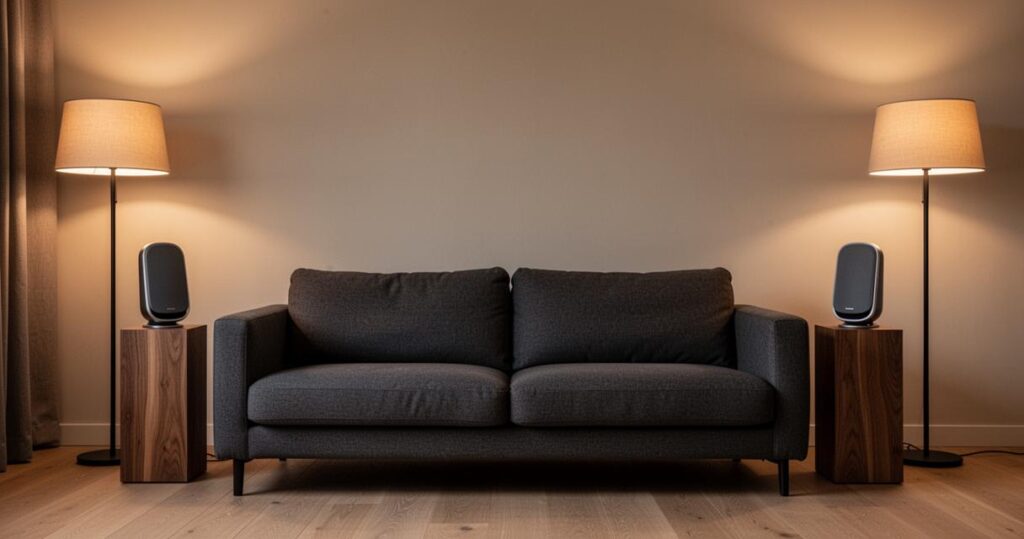
Choosing the right home cinema setup has never been more nuanced. Whether you are drawn to a fully wireless surround sound system or a streamlined streaming device paired with a quality soundbar, the decision ultimately rests on two critical pillars: connectivity reliability and audio fidelity. Understanding the differences between these approaches can transform an ordinary living room into a genuinely immersive cinematic space.
Key points
- Wireless home cinema systems with dedicated satellite speakers and subwoofers generally provide superior spatial immersion and audio depth compared to standalone streaming devices and soundbars.
- Advanced audio formats like Dolby Atmos and DTS deliver object-based, three-dimensional sound, which is rendered more faithfully by dedicated AV receivers than by compressed streaming alternatives.
- Physical subwoofers remain essential for reproducing deep bass, offering significantly better performance than the small drivers typically found in integrated soundbars.
- HDMI eARC has become the critical standard for wired connections, allowing for the transmission of high-bandwidth, lossless audio formats between TVs and sound systems.
- While Bluetooth offers convenient pairing, its inherent compression and latency limitations make Wi-Fi or wired connections better suited for high-resolution, stable audio experiences.
- Wired systems often provide better value by focusing budget on driver and component quality, whereas wireless systems command a price premium for the convenience of installation.
- The choice between systems ultimately depends on the user’s priorities, balancing the desire for aesthetic simplicity against the demand for maximum acoustic fidelity.
Analysing audio quality and immersive surround sound capabilities
When it comes to building a compelling home cinema experience, audio quality is the cornerstone of every purchasing decision. A wireless home cinema system that incorporates dedicated satellite speakers and a subwoofer will almost always deliver a richer, more spatially convincing result than a standalone streaming device feeding audio through a modest soundbar. The depth of low frequencies, the precision of dialogue reproduction, and the sense of space all hinge on the quality of the speaker components at play. Brands such as Sonos, Klipsch, Focal, Yamaha, and Auna each bring distinct engineering philosophies to this space, shaping how listeners experience everything from an action blockbuster to a delicate orchestral soundtrack.
The Impact of Dolby Atmos and DTS Formats
Modern immersive audio formats like Dolby Atmos and DTS have redefined what is possible in a domestic setting. Rather than constraining sound to a flat horizontal plane, these formats introduce object-based audio that places sounds in a three-dimensional field, including height channels above the listener. For a wireless home cinema system, support for these formats is increasingly standard among premium offerings, though the degree to which a system can decode and render them faithfully varies considerably. A system incorporating a capable AV receiver or processor will handle the full complexity of Atmos and DTS far more convincingly than a streaming device relying on compressed audio passthrough. The distinction matters most during dynamic scenes where spatial precision and low-frequency impact combine to create genuine immersion.
The Role of Dedicated Subwoofers and Satellite Speakers
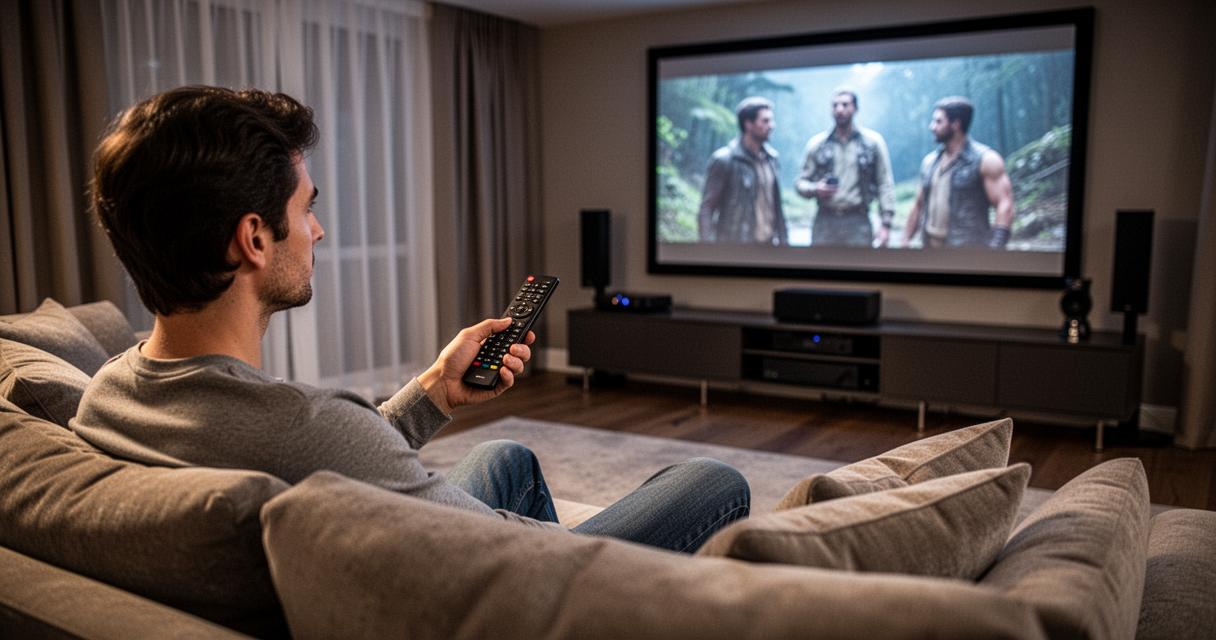
No amount of digital signal processing can fully compensate for the absence of a dedicated subwoofer. Deep bass reproduction requires physical displacement of air, and a purpose-built subwoofer — whether wireless or wired — handles this task with far greater authority than the modest drivers found in most soundbars. Systems like the Auna Areal range and the Focal Sib Evo series pair a subwoofer with multiple satellite speakers to create genuine surround envelopment. Wired connections between components typically offer lower latency and more consistent signal integrity, though the convenience of wireless rear satellites has improved markedly in recent years. For those seeking a clean installation without cable runs trailing across a room, a hybrid approach — combining wired front speakers for primary audio duties with wireless rear satellites — represents a sensible middle ground.
Connectivity and Bandwidth Limitations in Modern Installations
Connectivity choices shape not only the practicality of an installation but also the ceiling of achievable audio quality. The two dominant wireless paths — Bluetooth and Wi-Fi — each carry distinct strengths and limitations that affect how faithfully audio reaches the speakers.
High-Definition Transmission via HDMI eARC Connections
For a wired connection between a television and a soundbar or AV receiver, HDMI eARC has become the standard of choice. Unlike its predecessor ARC, the enhanced Audio Return Channel supports lossless audio formats including Dolby Atmos and DTS, enabling the full bandwidth required for high-definition surround sound to travel in both directions along a single cable. This matters enormously when a Blu-ray player or a streaming device is connected to the television, as the TV can then pass uncompressed audio downstream to the sound system without introducing lossy compression. The practical result is that a well-configured HDMI eARC connection unlocks the full potential of premium audio formats that a wireless or Bluetooth-only setup might compress or truncate.
Bluetooth and Wireless Bandwidth Restrictions for Soundbars
Bluetooth audio has improved considerably, but it continues to involve a degree of compression that limits the headroom available for high-resolution audio. Wi-Fi, by contrast, supports lossless and high-resolution playback, accommodating formats such as FLAC and LPCM at resolutions up to 24-bit/192kHz. Bluetooth is well-suited to casual, close-proximity listening and benefits from simplicity — minimal setup, broad device compatibility, and easy pairing. However, it requires the source device to remain actively involved in playback, and it can introduce latency that becomes noticeable in video contexts. Wi-Fi streaming, meanwhile, offloads playback to dedicated hardware, supports multi-room synchronisation through platforms such as AirPlay and Google Cast, and delivers greater stability across a home network. Signal interference remains a consideration for wireless speakers of any kind, particularly in densely populated environments where competing signals from neighbouring networks can affect performance.
Assessing the Value and Performance Ratio for Home Setups
Matching system cost to genuine long-term audio satisfaction is rarely straightforward. The most expensive system does not automatically deliver the most rewarding experience, and a thoughtfully chosen mid-range setup can outperform a poorly integrated premium installation.
Auna areal and premium brands design philosophy
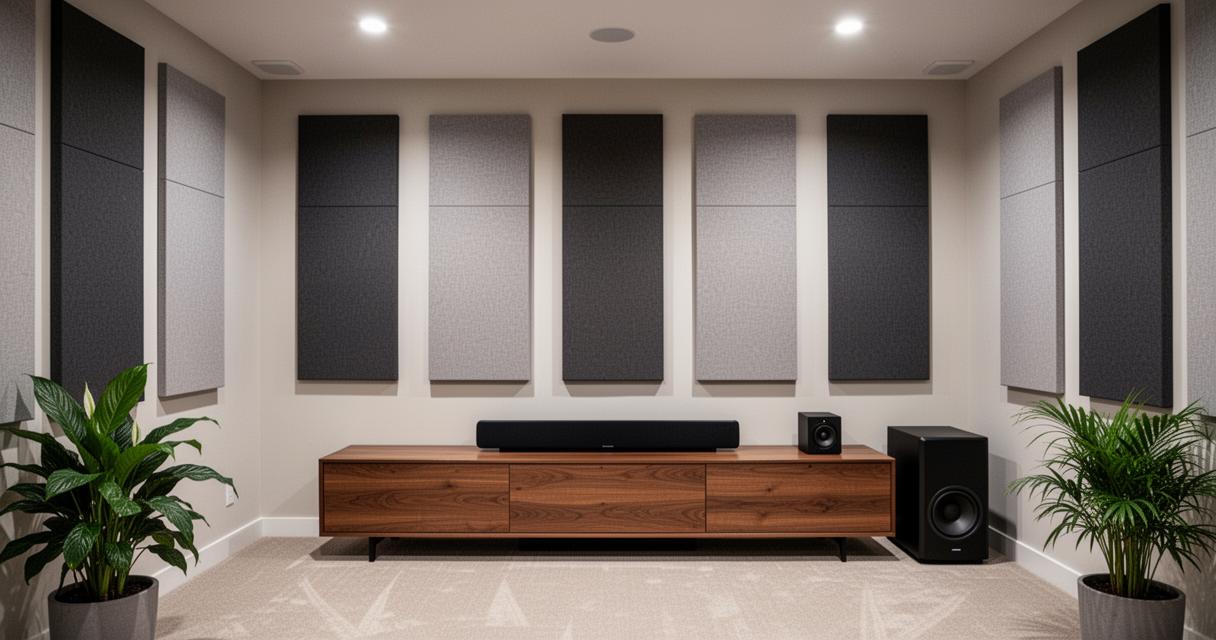
The Auna Areal range exemplifies an approach that prioritises accessible surround sound without demanding a premium outlay. Systems in this category typically bundle a subwoofer with multiple satellite speakers, providing a complete 5.1 or higher configuration out of the box. By contrast, brands such as Klipsch with the Flexus range, Focal with the Sib Evo line, and Yamaha with their cinema processing units target listeners who are prepared to invest more substantially in component quality. Each brand’s design philosophy reflects a different balance between convenience, build quality, and sonic ambition. Sonos occupies a distinct position, prioritising wireless elegance and multi-room integration over raw acoustic performance, making it particularly appealing to those who value system-wide simplicity.
Balancing system cost with long-term audio fidelity
Wired speaker systems generally offer superior value per pound when measured against pure audio performance. The absence of wireless circuitry and battery management allows manufacturers to direct budget towards driver quality, cabinet construction, and amplifier headroom. That said, the installation of a fully wired system can be time-consuming, may require professional assistance, and introduces cable management challenges that affect room aesthetics. Wireless systems address these concerns elegantly but typically carry a price premium for the convenience they provide. For listeners who prioritise a straightforward setup and plan to rearrange their space regularly, a wireless or hybrid system offers practical advantages that a purely wired approach cannot match. For those committed to a fixed installation and demanding the highest possible audio fidelity from their home cinema, investing in quality wired components — fronted by a capable AV receiver with full Dolby Atmos and DTS decoding — remains the most reliable path to long-term satisfaction. The ideal choice depends on the specific room, the listening priorities, and the willingness to engage with a more involved installation process.